Can You Use the Map of India in a Trademark or Logo?
Can You Use the Map of India in a Trademark or Logo? Introduction To Use Of Map Of India In […]


Can You Use the Map of India in a Trademark or Logo? Introduction To Use Of Map Of India In […]

Design Classes: A Complete Guide to Choosing the Right Class for Your Design Registration Introduction To Design Classes Design protection
Can a Founder Register a Brand in Personal Name After Incorporating a Company?
This article discusses the legal position under Indian trademark law, possible risks, and the best approach to avoid disputes over brand ownership.
This article explores the legal implications, status and treatment of the effects of Company strike off on trademark.
Unlike the standard trademark classes (1 to 45), Class 99 is not a real class under the Nice Classification.
When it comes to protecting a brand through trademark registration, one of the key decisions to make is whether to register a wordmark or a logo/device mark.

Understanding how trademark authorities assess similarity, the risks involved, and the possible outcomes is crucial before investing in a name or logo that might not stand the test of legal scrutiny. Let’s explore this through a hypothetical case study.

While most discussions focus on individual trademarks, there exists an advanced branding strategy known as the “Family of Marks”
Copyright societies in India are the backbone of collective copyright management, empowering creators by ensuring they receive their rightful earnings while enabling smooth access to copyrighted content for businesses.
Learn how to register descriptive trademarks in India. Understand challenges, legal provisions, and strategies to acquire distinctiveness under TM Act, 1999.

Wondering if you should copyright or trademark your logo? Learn the difference, benefits, and what to choose for the best brand protection in India.

This article is designed to help Indian book authors, novelists, students and academic researchers understand copyright protection in plain terms.
The Burger King trademark case dispute in Pune stands as a landmark case demonstrating the power of honest and prior use under Indian law. Read more.

Some trademarks go beyond basic recognition; they command widespread public trust, cross market boundaries, and enjoy exceptional legal protection. These are known as well-known trademarks.
What constitutes a Prohibited Trademark? This article explores the legal framework, real-world case studies and possible ways to overcome objections while ensuring compliance with trademark laws.

Trademarking a celebrity name prevents unauthorized use, safeguards reputation and creates business opportunities. Know More Here.

Learn what is cybersquatting, how it impacts businesses and individuals and the legal actions available to protect your brand’s online identity. Discover key strategies to prevent domain name disputes

This article delves into the basics of what is trademark infringement covering why it’s important, different forms it can take and how businesses can protect their brand from potential trademark infringement.
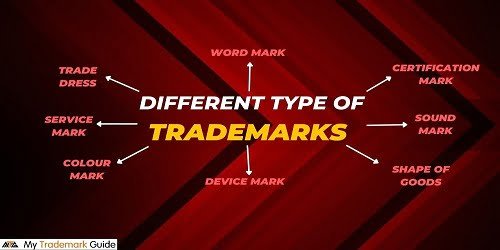
Trademarks come in various forms, depending on how they are used and the type of protection they seek. In this article, we discuss about different types of trademark.
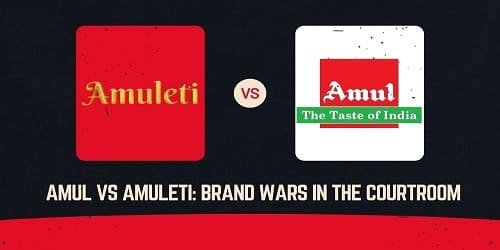
The Italian firm had been marketing cookies and chocolate-coated biscuits under the brand name “Amuleti,” which seemed to closely resemble the Amul trademark, raising concerns of brand confusion among consumers.

In this article, we will explore the concept of prior use in trademarks, its legal standing in India, and its implications for businesses. We’ll break down the legal jargon and provide practical examples to make this principle easy to understand.
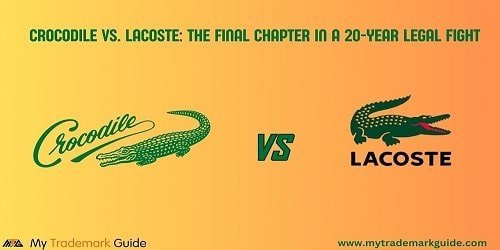
This article gives all the details regarding the Crocodile vs Lacoste trademark case. Read our detailed article to know more.
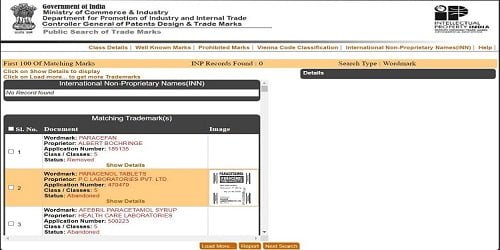
Before you file a trademark application in India, it’s essential to conduct a comprehensive trademark public search to confirm that your desired trademark is available for registration and does not infringe on existing trademarks
Understanding the difference between trademarks and copyrights is crucial for protecting your intellectual property effectively. This article will break down the distinction between trademarks and copyrights in a simple manner.
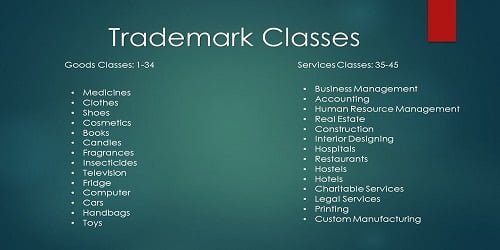
Trademarks are an essential part of business strategy, protecting brand identity and distinguishing goods or services from those of competitors. Read this guide to know more about trademark classes.
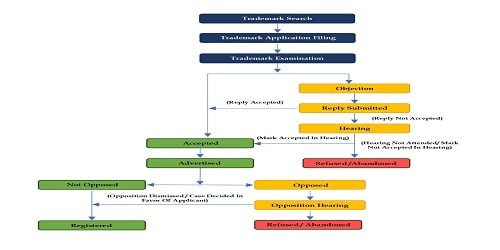
Registering a trademark is an essential step for protecting your brand and ensuring its unique identity in the market. This is your guide to Step by Step Trademark Registration Process In India.

Trademark agents and attorneys are experts in the legal aspects of trademark application filing and the entire registration process.

Understanding different trademark statuses in India is crucial to effectively protect your brand. Each stage of the trademark registration process, from application submission to final registration or refusal can be checked through a specific status or alert in the trademark registry website. Knowing what these statuses mean can help a business navigate the process of Trademark registration smoothly to avoid common mistakes and safeguard their brand.

This is a comprehensive guide about different type of trademark statuses prepared by My Trademark Guide to help everyone easily monitor their trademark applications like an expert.

Legal services; security services for the physical protection of tangible property and individuals; dating services, online social networking services; funerary services; babysitting.

Medical services; veterinary services; hygienic and beauty care for human beings or animals; agriculture, aquaculture, horticulture and forestry services.

Scientific and technological services and research and design relating thereto; industrial analysis, industrial research and industrial design services; quality control and authentication services; design and development of computer hardware and software.

Education; providing of training; entertainment; sporting and cultural activities.

Mainly services rendered by the mechanical or chemical processing, transformation or production of objects or inorganic or organic substances, including custom manufacturing services. For the purposes of classification, the production or manufacturing of goods is considered a service only in cases where it is effected for the account of another person to their order and specification. If the production or manufacturing is not being performed to fulfil an order for goods which meet the customer’s particular needs, requirements, or specifications, then it is generally ancillary to the maker’s primary commercial activity or goods in trade. If the substance or object is marketed to third parties by the person who processed, transformed or produced it, then this would generally not be considered a service.

Construction services; installation and repair services; mining extraction, oil and gas drilling.

Financial, monetary and banking services; insurance services; real estate services.

Advertising; business management, organization and administration; office functions.
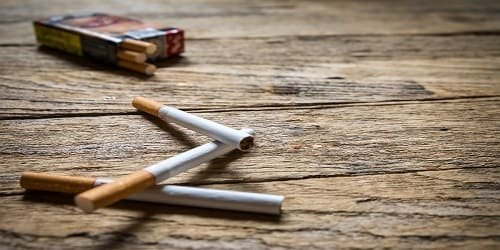
Tobacco and tobacco substitutes; cigarettes and cigars; electronic cigarettes and oral vaporizers for smokers; smokers’ articles; matches.
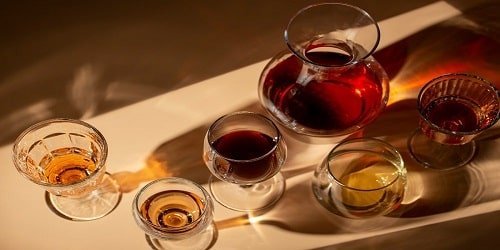
Alcoholic beverages, except beers; alcoholic preparations for making beverages.
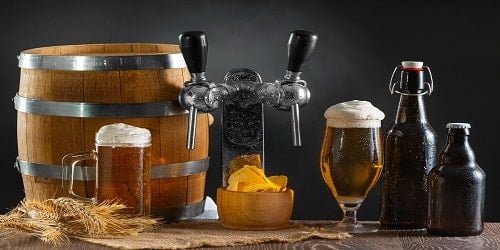
Beers; non-alcoholic beverages; mineral and aerated waters; fruit beverages and fruit juices; syrups and other preparations for making non-alcoholic beverages.

Raw and unprocessed agricultural, aquacultural, horticultural and forestry products; raw and unprocessed grains and seeds; fresh fruits and vegetables, fresh herbs; natural plants and flowers; bulbs, seedlings and seeds for planting; live animals; foodstuffs and beverages for animals; malt.
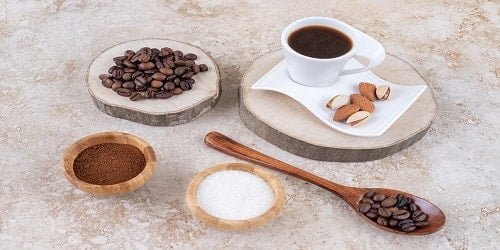
Coffee, tea, cocoa and substitutes therefor; rice, pasta and noodles; tapioca and sago; flour and preparations made from cereals; bread, pastries and confectionery; chocolate; ice cream, sorbets and other edible ices; sugar, honey, treacle; yeast, baking-powder; salt, seasonings, spices, preserved herbs; vinegar, sauces and other condiments; ice (frozen water).
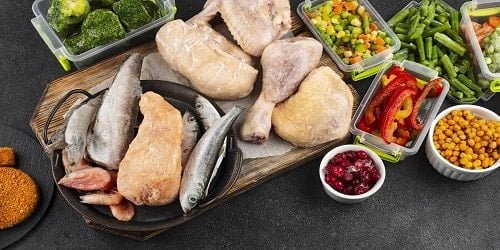
Meat, fish, poultry and game; meat extracts; preserved, frozen, dried and cooked fruits and vegetables; jellies, jams, compotes; eggs; milk, cheese, butter, yogurt and other milk products; oils and fats for food.
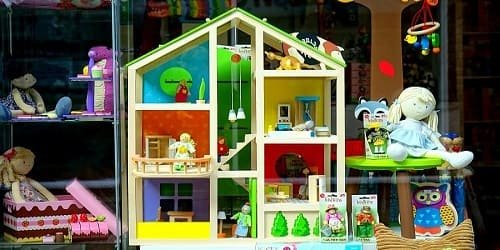
Games, toys and playthings; video game apparatus; gymnastic and sporting articles; decorations for Christmas trees.
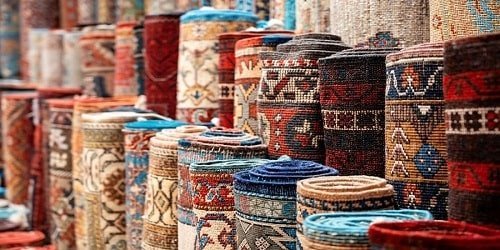
Carpets, rugs, mats and matting, linoleum and other materials for covering existing floors; wall hangings, not of textile.

Lace, braid and embroidery, and haberdashery ribbons and bows; buttons, hooks and eyes, pins and needles; artificial flowers; hair decorations; false hair.
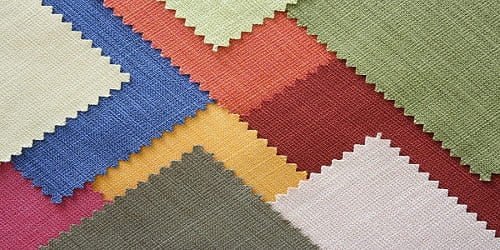
Textiles and substitutes for textiles; household linen; curtains of textile or plastic.
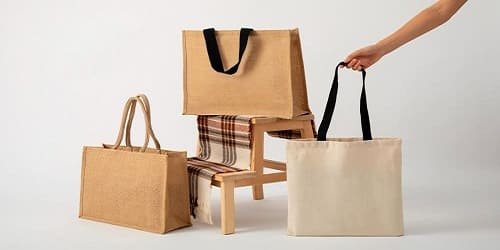
Ropes and string; nets; tents and tarpaulins; awnings of textile or synthetic materials; sails; sacks for the transport and storage of materials in bulk; padding, cushioning and stuffing materials, except of paper, cardboard, rubber or plastics; raw fibrous textile materials and substitutes therefor.
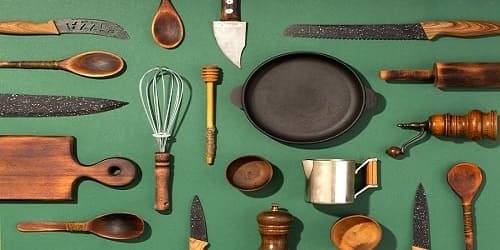
Household or kitchen utensils and containers; cookware and tableware, except forks, knives and spoons; combs and sponges; brushes, except paintbrushes; brush-making materials; articles for cleaning purposes; unworked or semi-worked glass, except building glass; glassware, porcelain and earthenware.

Furniture, mirrors, picture frames; containers, not of metal, for storage or transport; unworked or semi-worked bone, horn, whalebone or mother-of-pearl; shells; meerschaum; yellow amber.

Materials, not of metal, for building and construction; rigid pipes, not of metal, for building; asphalt, pitch, tar and bitumen; transportable buildings, not of metal; monuments, not of metal.

Leather and imitations of leather; animal skins and hides; luggage and carrying bags; umbrellas and parasols; walking sticks; whips, harness and saddlery; collars, leashes and clothing for animals.

Unprocessed and semi-processed rubber, gutta-percha, gum, asbestos, mica and substitutes for all these materials; plastics and resins in extruded form for use in manufacture; packing, stopping and insulating materials; flexible pipes, tubes and hoses, not of metal.

Paper and cardboard; printed matter; bookbinding material; photographs; stationery and office requisites, except furniture; adhesives for stationery or household purposes; drawing materials and materials for artists; paintbrushes; instructional and teaching materials; plastic sheets, films and bags for wrapping and packaging; printers’ type, printing blocks.

Musical instruments; music stands and stands for musical instruments; conductors’ batons.
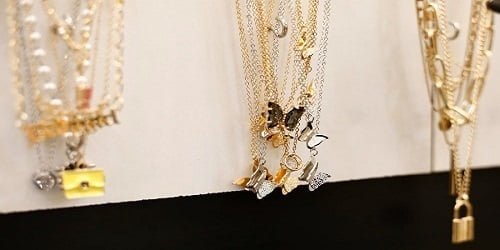
Precious metals and their alloys; jewellery, precious and semi-precious stones; horological and chronometric instruments.

Apparatus and installations for lighting, heating, cooling, steam generating, cooking, drying, ventilating, water supply and sanitary purposes.
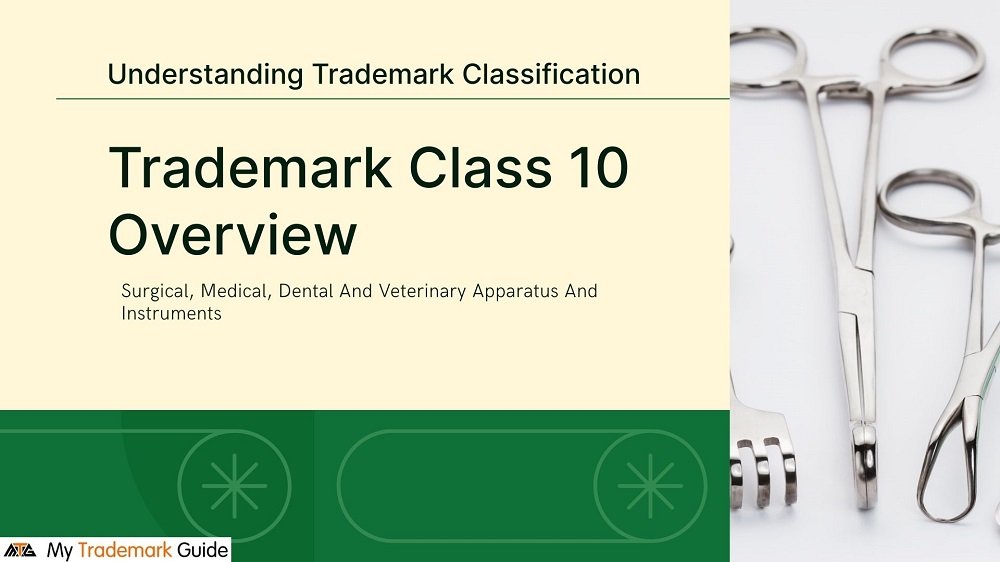
This guide focuses on Trademark Class 10, which includes a variety of medical, surgical, dental and veterinary instruments. Click here to know more.

This guide highlights Trademark Class 9, which encompasses a wide array of scientific, technological, and electrical apparatus. Check out this article now.
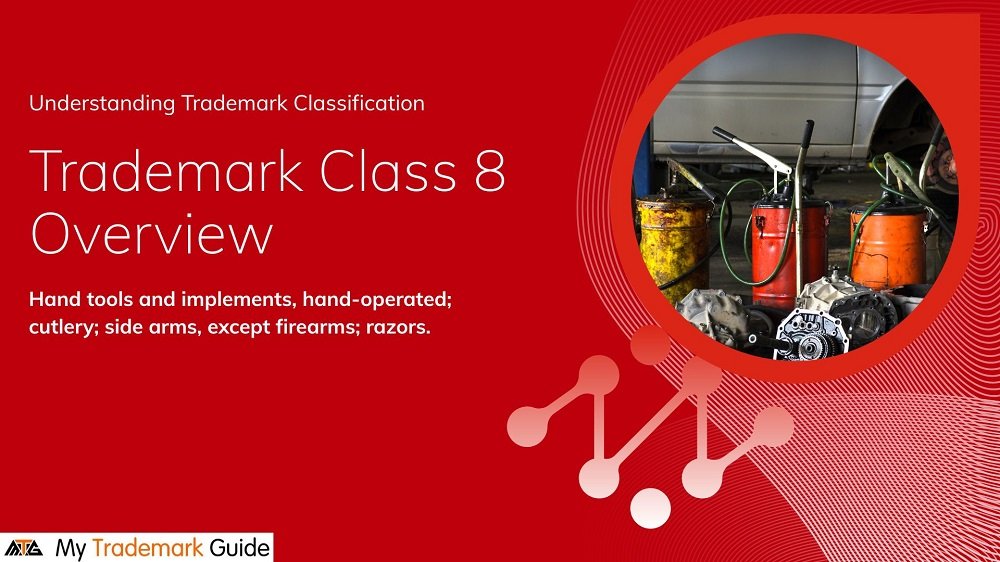
This guide provides an overview of Trademark Class 8, which includes hand tools both hand-operated and electric; cutlery; side arms and razors.

This guide covers Trademark Class 7, which includes various machines and tools. Click here to Know More.
This guide explains Trademark Class 6, which covers common metals and their alloys, as well as various metal products.
Trademark Class 5 encompasses pharmaceuticals, medical and veterinary preparations, and sanitary products for medical use. Know More Here.

This guide explains Trademark Class 4, which covers a range of products including industrial oils and greases, wax, lubricants, fuels, and candles. Know More Here.
Trademark Class 3 covers toiletry and cleaning preparations for personal and household use like toiletries, cosmetic tissues, deodorants, etc. Know More Here.
Trademark Class 2 includes products like paints, varnishes, and colorants used for various purposes such as industry, arts, and crafts. Know More Here.
Trademark Class 1 covers a wide range of chemical products used in various industries such as industry, science, agriculture, and forestry. Know More Here.